Summer Lawn Care: How to Keep Your Grass Green in Hot Weather
By Greener Lawn Care - 19 July 2026 - 8 min read
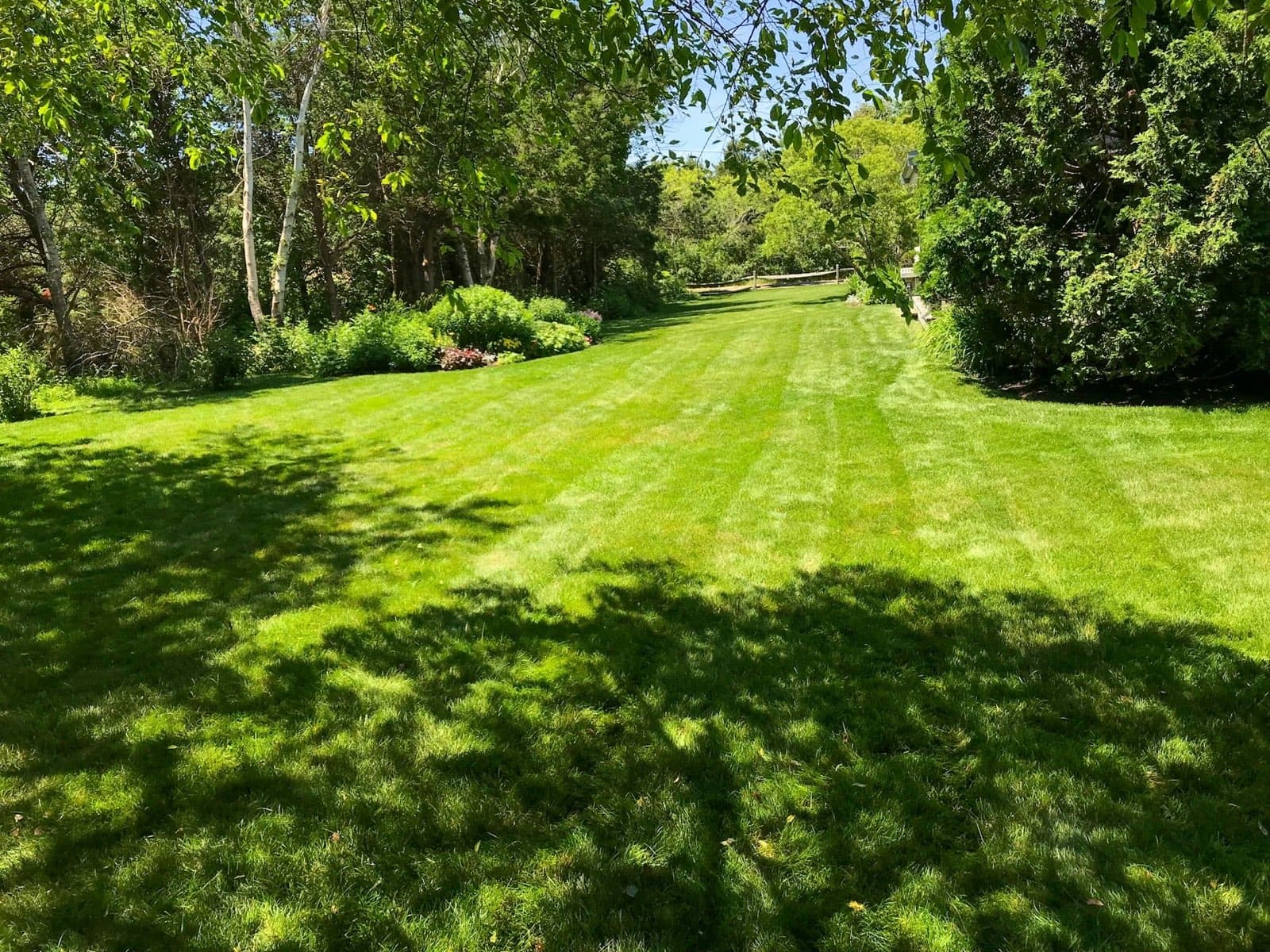
By mid-July, summer lawn care in the UK usually means one thing: damage control. Essex has had three heatwaves already this year, months without meaningful rain, and the first hosepipe ban of the season. But the lawns I look after around Colchester that are coping best are not the ones getting the most water. They are the ones being managed correctly: cut high, watered properly or not at all, and left alone when they need rest.
The short answer
Raise your mowing height, cut less often with sharp blades, and never remove more than a third of the leaf in one go. If you water, do it in the early morning, deeply, once or twice a week at most. Do not feed a drought-stressed lawn, keep traffic off it, and accept that brown grass in July is dormant, not dead. Get those five things right and your lawn will come through the hottest summer in decent shape, then green up quickly once the rain returns.
Mow high, mow less, keep the blades sharp
Most summer lawn damage I see is not caused by the sun. It is caused by the mower. Three adjustments fix it:
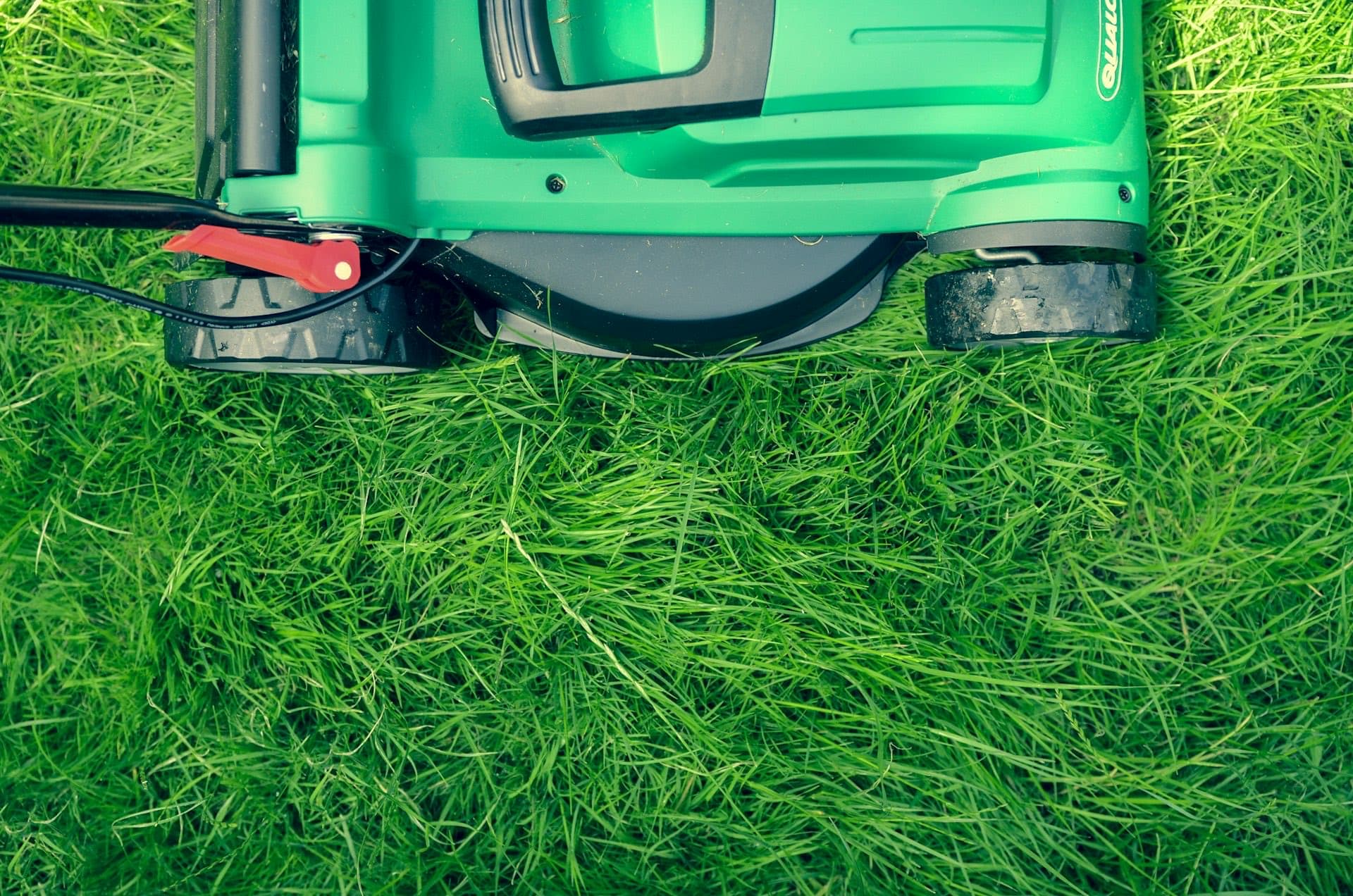
Raise the cut. In hot, dry weather I want lawns at 40mm or higher, which on most domestic rotary mowers means the top one or two height settings. Longer leaf shades the soil, so the ground loses less moisture to evaporation, and a bigger leaf supports a deeper root system that can reach water further down. A scalped lawn in a heatwave has neither, and it browns off days before its neighbours.
Cut less often, and follow the one-third rule. Never remove more than a third of the leaf in a single cut. In spring that rule pushes you towards frequent mowing, because the grass is growing fast. In a dry summer it does the opposite: growth slows right down, so weekly mowing becomes every 10-14 days, or simply whenever there is genuinely something to cut. If the lawn has stopped growing altogether, skip the cut entirely. Mowing grass that is not growing achieves nothing except stress and wheel marks.
Sharpen the blades. A sharp blade slices the leaf cleanly. A blunt one tears it, leaving frayed tips that whiten within a day or two and lose extra moisture through the wound. On a lawn that is already fighting for every drop, that matters. If your mower blade has not been sharpened this year, the whitish haze across the lawn two days after cutting is the evidence.
One more summer habit worth adopting: leave the clippings on the lawn during dry spells. A light scattering acts as a mulch, shading the soil and returning moisture and nutrients as it breaks down.
Water properly, or not at all
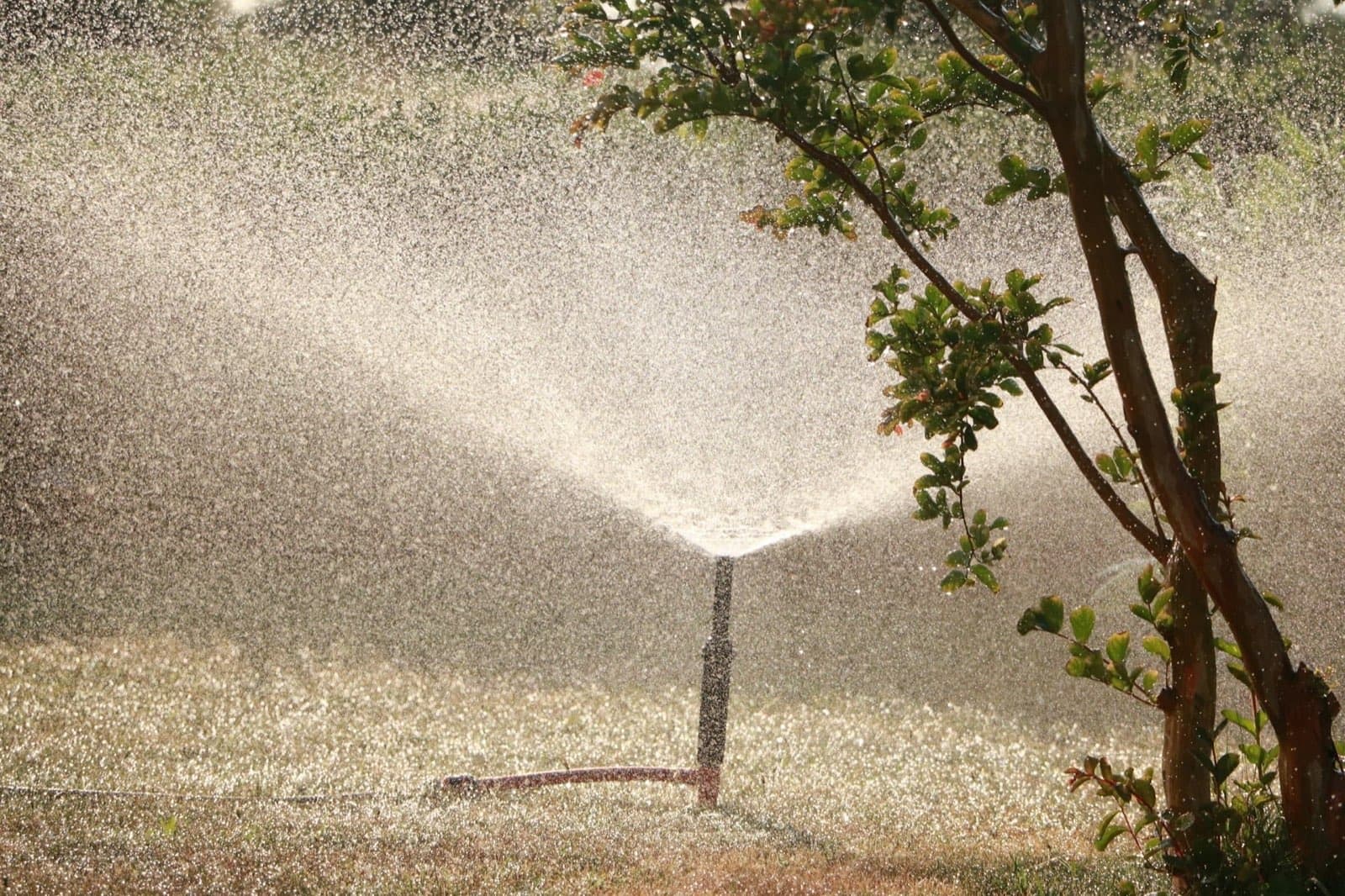
The watering rules are simple and most people break all of them. Water deeply and rarely: an established lawn wants roughly 25mm of water a week in hot weather, delivered as one or two proper soaks rather than a nightly sprinkle. Water in the early morning, ideally before 9am, and never in the evening, because grass that goes into the night wet invites fungal disease. And measure what you are actually applying with a straight-sided jar under the sprinkler, because nobody can judge 25mm by eye. The full method, including the jam jar test and the rules for newly seeded lawns, is in our summer watering guide.
On kit: for medium lawns an oscillating sprinkler and the jar test do the job fine, while big lawns are better served by a travelling sprinkler, like this one, that pulls itself along the hose for even coverage. If early mornings are the obstacle, a timer tap set for 5am solves it while you sleep.
Two caveats. First, if a hosepipe ban applies to your address, sprinklers and hosepipes are off the table entirely, and the rules in our hosepipe ban guide take over. Second, not watering at all is a perfectly legitimate choice. An established lawn left dry will go brown and dormant, then recover with the autumn rain. If you take that route, a single deep soak every three to four weeks is enough to keep the plants alive without chasing greenness.
Do not feed a lawn in a heatwave
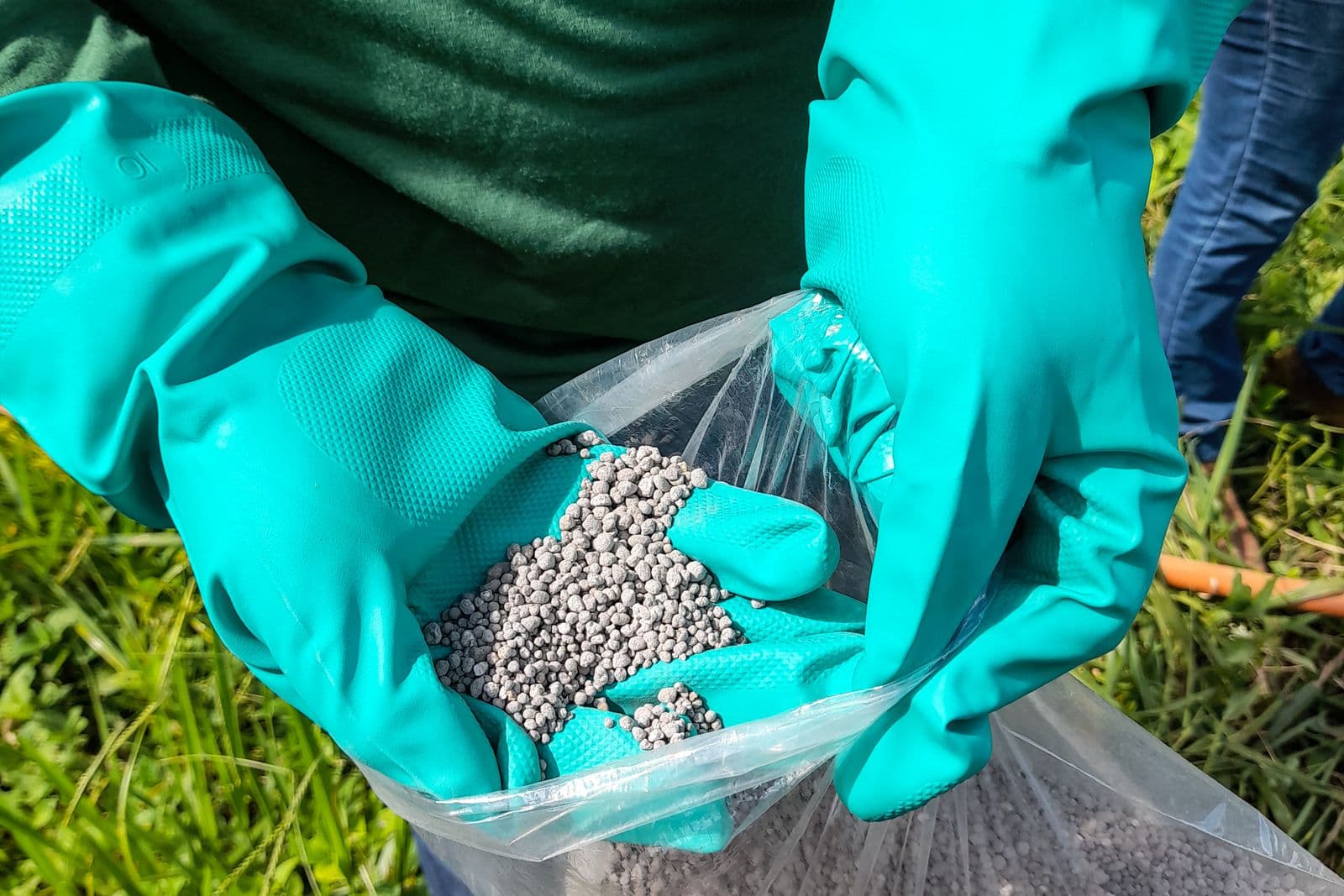
This is the mistake that turns a stressed lawn into a damaged one. Granular fertiliser needs moisture to dissolve and wash down to the roots. Spread it on a bone-dry lawn and it sits at the surface, concentrating around the base of plants that have no water to dilute it. A high-nitrogen summer feed applied to drought-stressed grass does not green it up. It burns it, and the scorch marks last far longer than the drought does.
The same logic applies to weed treatments. Selective lawn weedkillers work on weeds that are actively growing, and in a proper drought nothing is actively growing, weeds included. Spraying now gives you a poor kill and adds chemical stress to grass that is already on the ropes. The treatment window runs while weeds are in active growth, so once rain returns and everything wakes up, there is still plenty of season left to deal with them properly.
Everything nutritional waits for rain. When the lawn is green, growing and moist again, feeding resumes and does some real good.
Not sure what your lawn needs right now, or whether it will bounce back? A free lawn survey gives you an honest answer, with no obligation. Book a free lawn survey
Stay off dormant grass
A brown, dormant lawn is alive but not repairing itself. Every bit of wear it picks up now, from ball games, paddling pools, trampolines dragged across it, or the same walked line to the shed, stays visible until growth resumes in autumn. Dry grass is also brittle, so it wears faster than it would in spring, and the thin patches you create now are exactly where weeds establish later in the year.
You do not need to rope the garden off. Just move the paddling pool every couple of days, vary your walking routes, and save the party for the patio. If you are worried the lawn has gone beyond dormant, the tug test and crown check in our brown lawn recovery guide will tell you in two minutes whether it is dormant or genuinely dead.
What recovery looks like when the rain returns
Recovery is quicker than most people expect, and it follows a pattern. Within a week of consistent rain the strongest areas flush green. By week two or three most of the lawn has coloured up. By week four the picture is final: anything still brown is dead and will need reseeding, and on most lawns that is a few patches rather than the whole thing.
Help it along rather than rushing it. Keep the first cuts high, with sharp blades, and only start bringing the height down gradually once the lawn is growing strongly again. Hold the feed until there is genuine, sustained growth, then it will do exactly what it should. And plan the proper repair work for autumn: September is when dead patches get overseeded, compacted soil gets aerated, and the lawn gets rebuilt to handle next summer better, ideally with seed blends that include drought-tolerant grasses.
How we handle summer at Greener
My job in a summer like this one is mostly restraint. Every visit gets adjusted to conditions: if a lawn is drought-stressed, I will not put a feed on it just because the schedule says so, because I would rather delay an application than scorch a lawn to keep to a calendar. Spot weed treatments wait for active growth. What every customer gets instead is straight advice on cutting height, watering and what to leave alone, tailored to how their lawn is actually coping.
The bigger difference happens in autumn. For customers on The Treatment Plan, a renovation is booked alongside the plan as a one-off, timed for spring or autumn, and that is where drought resilience is really built: thicker turf, deeper roots and grass varieties chosen to handle dry summers. The lawns I treat that shrugged off this July are the ones that were renovated and fed properly over the previous twelve months. Summers like this are becoming the pattern in Essex, so that groundwork is no longer optional if you want a lawn that stays presentable through the heat.
The whole playbook in one line: mow high and rarely with sharp blades, water deep in the morning or not at all, hold the feed, stay off the brown bits, and let autumn do the rebuilding.
Want help with your lawn?
Book a free lawn survey and we'll take a look at your lawn. No obligation, honest advice.