Hosepipe Ban in Essex: What It Means for Your Lawn (2026)
By Greener Lawn Care - 10 July 2026 - 7 min read
Four heatwaves, months of dry weather, and now both of Essex's water suppliers have hosepipe bans in force. If you have a lawn in Essex, the obvious questions are: what am I still allowed to do, and is my lawn going to survive? Here are the straight answers, current as of 4 August 2026. I will keep this post updated as restrictions change.
The short answer
Wherever you are in Essex, a hosepipe ban now applies to you. Anglian Water brought in a Temporary Use Ban from 11 July 2026 across its whole supply area, which includes most of the towns I work in: Colchester, Tiptree, West Mersea, Dedham, Coggeshall, Kelvedon, Braintree, Halstead and the villages between them. Essex & Suffolk Water, which supplies much of mid and south Essex (Chelmsford, Witham, Maldon and southwards), followed with its own ban from 3 August 2026, its first since 1997, covering its entire supply area. The company says customers have been using an extra 29 million litres a day through the heatwaves, and the Hanningfield and Abberton reservoirs are down to a combined 69 per cent, below average for the time of year. Either way: watering cans are still allowed everywhere, established lawns can safely be left to go brown, and newly laid turf has a specific exemption under both bans.
Which supplier am I on?
Check a water bill or put your postcode into your supplier's website. Broadly, Anglian Water supplies drinking water to Colchester and most of north Essex, which is the heart of the Greener patch, while Essex & Suffolk Water covers much of mid and south Essex. Do not assume the ban applies (or does not apply) to you based on what a neighbouring town is doing: the boundary does not follow obvious lines, and it is the supplier on your bill that decides, not your postcode's county.
Since 3 August the supplier no longer changes whether a ban applies, only the small print. Anglian Water's ban has been in force since 11 July, Essex & Suffolk Water's since 3 August. The two bans stop the same core activities, but the exact exemption wording sits with your own supplier, so check their page before relying on any exception.
What a hosepipe ban actually stops
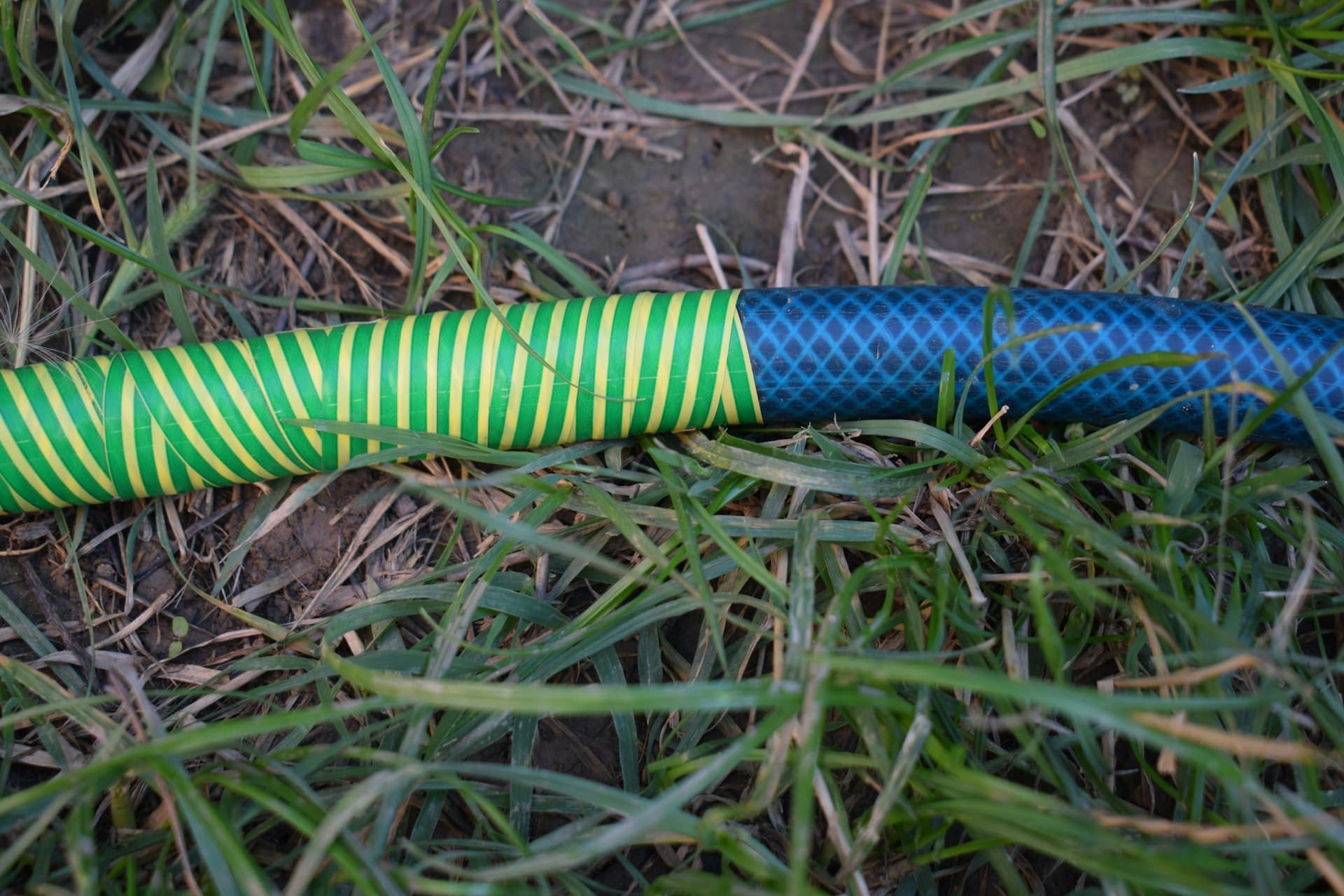
Under both bans you cannot use a hosepipe connected to the mains for:
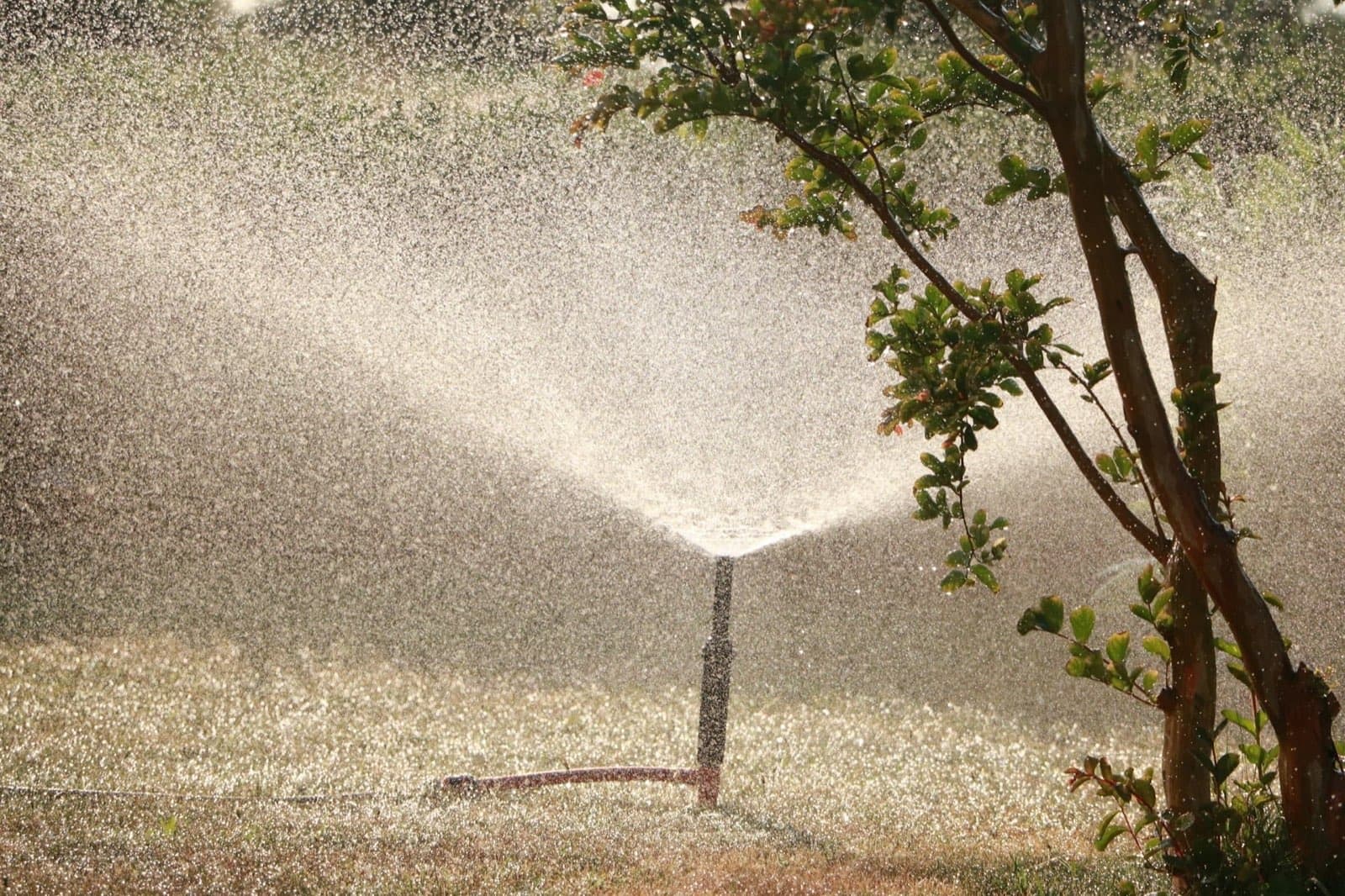
- Watering the garden or lawn, including with sprinklers, irrigation systems and dripper hoses
- Washing cars, patios, driveways, windows or boats
- Filling paddling pools, swimming pools, hot tubs or ornamental ponds
Breaching a Temporary Use Ban is a criminal offence with fines of up to £1,000, so it is not worth chancing.
What you can still do
This is the part most people miss: a hosepipe ban is a ban on hosepipes, not on watering.
- Watering cans and buckets are allowed. You can water anything you like by hand, filled from the tap.
- Stored rainwater is yours to use. Water from a water butt is outside the ban, even if you attach a hose to it.
- Newly laid turf is the one lawn exemption. Both suppliers allow a hosepipe on turf for up to 28 days after laying (under Anglian's wording, only where using a watering can instead is not reasonable). Keep evidence of when the turf went down. Note what this does not cover: overseeded lawns and newly sown seed are not exempt, so those need the watering can. Check the current wording on your supplier's site before relying on it, because the detail can change.
- Drip or trickle irrigation is exempt under both bans, provided the system is fitted with a pressure-reducing valve and a timer, is not handheld, and delivers water directly onto or beneath the soil with no run-off or misting. Handy for borders, beds and pots. It is not a way round the ban for lawns: sprinklers and ordinary dripper hoses stay prohibited.
- Grey water (bath or washing-up water) can be reused on the garden. Fine for borders; I would not make it the main plan for a lawn.
Should you try to keep the whole lawn green?
Honestly: no. An established lawn is far tougher than it looks. When grass runs short of water it shuts down and goes brown, which is dormancy, not death. The growing points at the base of each plant (the crowns) stay alive for weeks in that state, and the lawn greens up again within two or three weeks of proper rain. I have written a full guide to this in Brown lawn after a heatwave: dead or dormant?
Trying to keep a full-size lawn lush with a watering can is a losing battle, and under a ban it is the wrong goal anyway. Triage instead:
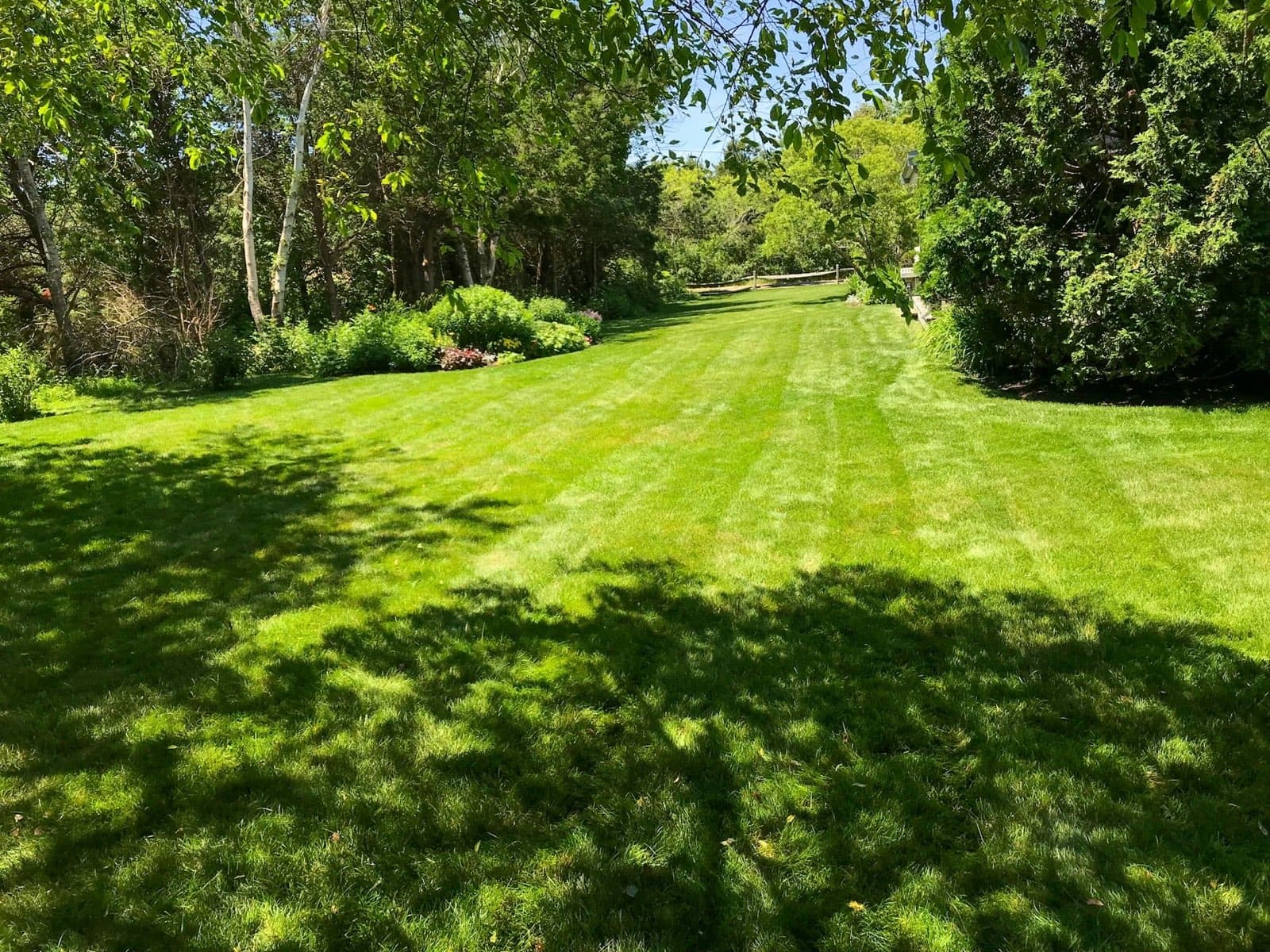
- Let the established lawn go brown. It will come back.
- Prioritise anything sown or turfed this year. Young grass has shallow roots and cannot ride out drought the way mature turf can. Turf laid within the last 28 days can use the hosepipe exemption; anything overseeded or sown gets the watering can, and gets it first.
- If you want to help the main lawn, one deep soak every three to four weeks with stored or hand-carried water keeps the crowns ticking over. Little daily splashes do more harm than good.
Look after the lawn without water
Most of what protects a lawn in a drought has nothing to do with the tap:
- Raise the cutting height. Longer grass shades the soil and loses less moisture. Never scalp a stressed lawn.
- Cut less often, with sharp blades, and skip the cut entirely if the lawn has stopped growing.
- Leave the clippings on the lawn during dry spells. They act as a light mulch.
- Stay off it as much as you can. Dry, brittle grass wears badly, and worn patches are where weeds get in later.
- Do not feed, and do not treat weeds. Granular feed on a bone-dry lawn risks scorch, and spraying drought-stressed grass does more damage than the weeds do. Everything can wait for rain.
Not sure whether your lawn will bounce back, or whether this is the year it needs a proper renovation? A free survey gives you an honest answer. Book a free lawn survey
The recovery plan happens in autumn
Whatever the summer does, the fix for a drought-battered lawn is the same and it is seasonal. Once temperatures drop and the rain returns, autumn is when lawns are rebuilt: scarify out the dead material, aerate the baked ground, and overseed with a blend that includes drought-tolerant grasses so the lawn copes better next time. That work is a one-off lawn renovation, booked alongside The Treatment Plan for customers on it, and you can read what is involved in our scarification timing guide.
Dry summers are not going away. The lawns that come through them best are the ones with deep roots, decent soil and the right grass mix, and all three of those are built in autumn, not July.
Current status (updated 4 August 2026): Both Essex suppliers now have Temporary Use Bans in force. Anglian Water: from 11 July, covering Colchester, Tiptree and most of north Essex. Essex & Suffolk Water: from 3 August, its first ban since 1997, covering Chelmsford, Witham, Maldon and the rest of its supply area. Newly laid turf is exempt for 28 days under both bans. I will update this post as things change.
Want help with your lawn?
Book a free lawn survey and we'll take a look at your lawn. No obligation, honest advice.