Brown Lawn After a Heatwave: Dead or Dormant?
By Greener Lawn Care - 10 July 2026 - 5 min read
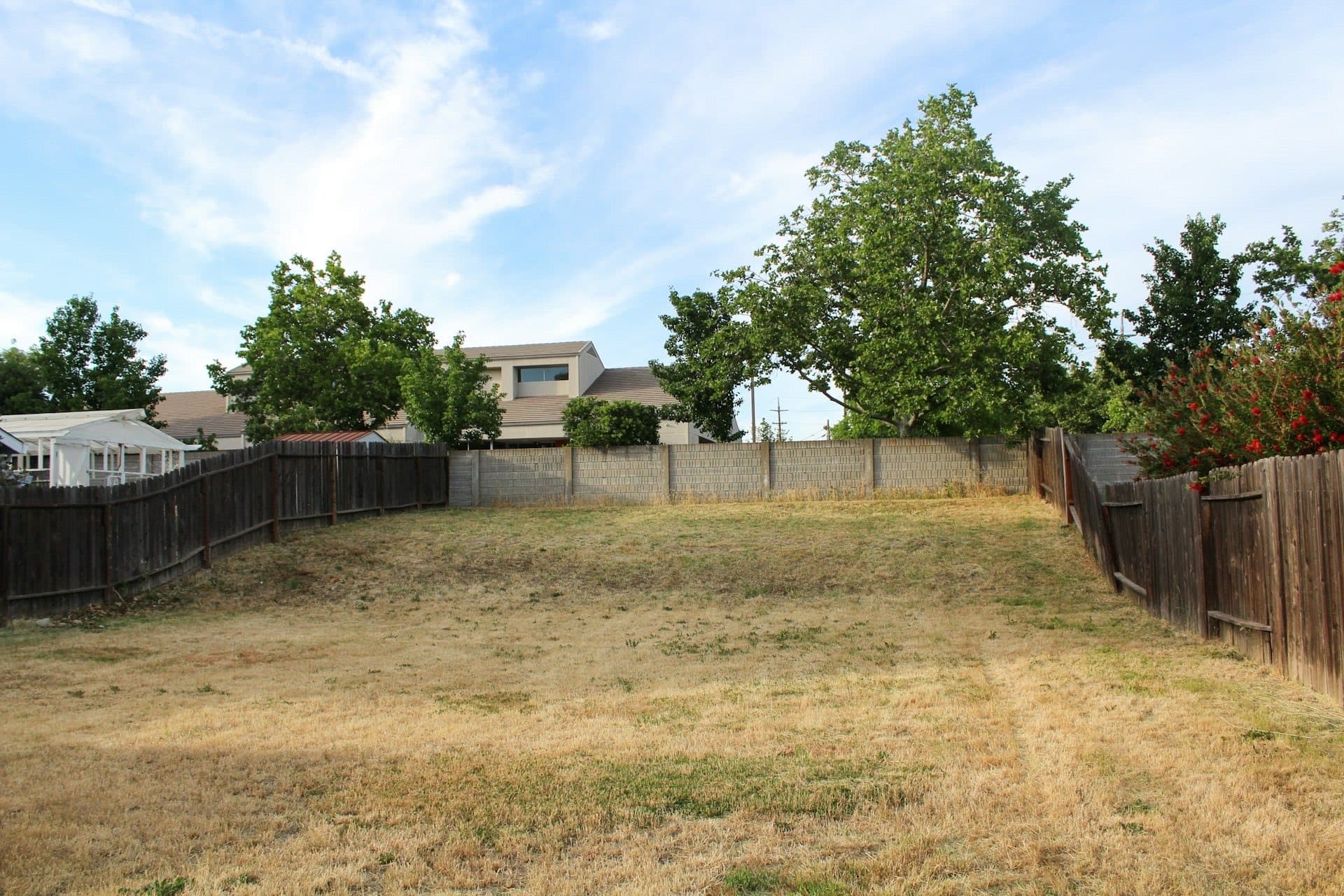
After four heatwaves in quick succession this summer, most lawns in Essex have gone the same colour: straw. If yours looks dead and you are wondering whether to panic, rip it up, or start watering around the clock, read this first. The situation is almost certainly better than it looks.
The short answer
A brown lawn after a heatwave is nearly always dormant, not dead. Grass responds to serious drought by shutting down its leaves to protect the growing points at the base of each plant, called the crowns. The crowns of an established lawn typically survive four to six weeks of full dormancy, and the lawn greens up again within two to three weeks of consistent rain. The grass most at risk is anything sown or turfed in the last year, which has not yet built the root depth to cope.
How to tell dormant from dead
Two checks, both quick:
- The tug test. Take hold of a clump of brown grass and pull gently. Dormant grass stays firmly rooted and resists. Dead grass lifts away with no fight, roots and all.
- Look into the base. Part the brown leaves and look at the very bottom of the plants near the soil. Any hint of green or off-white at the crown means the plant is alive and waiting. Grey-brown and brittle all the way down is a worse sign.
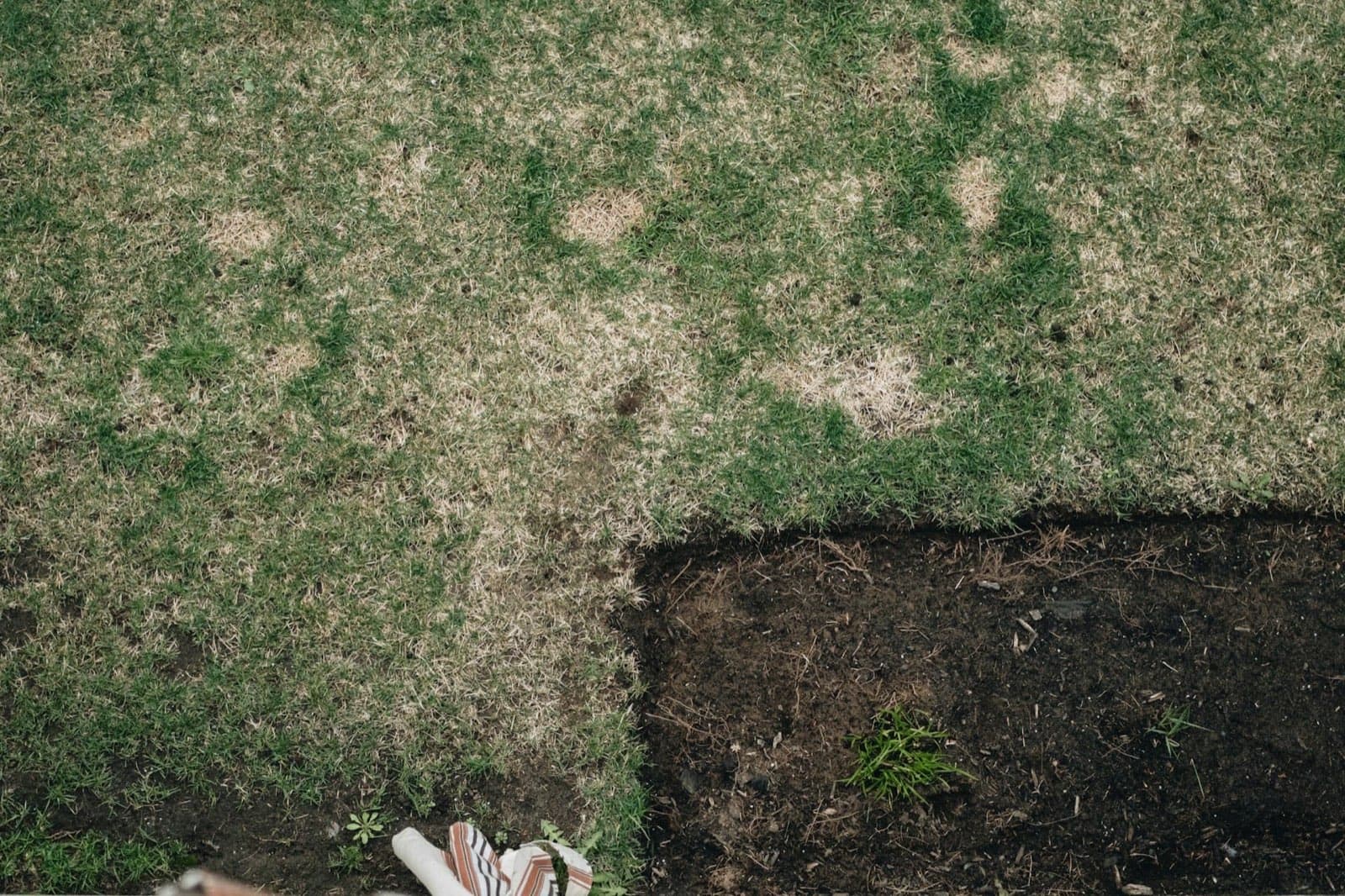
Do the checks in a few spots, because lawns rarely die evenly. South-facing areas, slopes, thin soil over rubble and spots near walls or paving dry out first, so you may have 90% dormant lawn with a few genuinely dead patches. That is normal and very fixable.
What actually helps a dormant lawn
Less than you would think. The honest list:
- Keep traffic off it. Dormant grass does not repair wear. Ball games, paddling pools and the barbecue crowd all leave marks that stay until autumn.
- Do not mow it. If it is not growing, there is nothing to cut. When growth ticks back after rain, cut high with sharp blades.
- One deep soak every three to four weeks is enough to keep crowns alive through an extended drought, if you are able and allowed to water. This is survival watering, not greening-up watering, and a watering can is enough for the priority areas. If a hosepipe ban applies to you, our hosepipe ban guide covers exactly what is still allowed.
- Accept the colour. Brown in July is not failure. Some of the best lawns I look after went brown this month and will be deep green again in September.
What makes things worse
This is where well-meaning effort backfires:
- Feeding a drought-stressed lawn. Granular fertiliser needs water to dissolve and dilute. Applied to a dry lawn it sits at the surface and can scorch what is left. All feeding waits for proper rain.
- Weed treatments in heat and drought. Herbicide works on actively growing plants, and it stresses the grass around the weed. On a dormant lawn you get poor weed kill and extra lawn damage. Park it until conditions recover.
- Light daily sprinkles. Frequent shallow watering keeps moisture in the top couple of centimetres, which trains roots to stay shallow, exactly what you do not want going into the next dry spell. Water deeply and rarely, or not at all.
- Scarifying or raking a brown lawn. The lawn cannot recover from mechanical work while dormant. That job belongs in autumn.
- Deciding to rip it out and returf. This is the most expensive mistake on the list. Every year, lawns get stripped and returfed in August that would have recovered on their own by October. Judge a lawn in autumn, not in the middle of a dry spell, and if you are being quoted for new turf, renovation versus returfing sets out what each route actually costs.
Want a professional eye on whether your lawn is dormant, dead, or somewhere in between? The survey is free and there is no obligation. Book a free lawn survey
When the rain comes back
Recovery follows a predictable pattern. Within a week of consistent rain you will see a green flush in the strongest areas. By week two or three most of the lawn has coloured up, and by week four you know exactly what did not make it: any patches still brown are dead and will need reseeding.
That moment, usually late August or September in Essex, is when the real work happens. The recipe for the patches (and for a lawn that coped badly overall) is the autumn renovation: scarify out the dead material, aerate the compacted, baked soil, then overseed with a blend that includes drought-tolerant grasses so the lawn handles next summer better. Warm soil and returning rain make autumn the perfect window, which is why autumn renovation dates fill early. For customers on The Treatment Plan, a renovation is booked alongside the plan as a one-off, timed for spring or autumn.
If large areas failed, or the lawn was already thin, mossy or tired before the heat arrived, a one-off full renovation rebuilds it properly in one hit.
The bigger picture
Summers like 2026 are becoming the pattern, not the exception. The lawns that shrug off heatwaves share three things: deep roots from regular aeration, thicker growth from annual overseeding, and grass varieties chosen for drought tolerance rather than whatever was cheapest at the builders' merchant. None of that can be added in July, but all of it can be built this autumn.
Short version: do the tug test, stay off the grass, skip the feed, and let autumn do the heavy lifting. Brown is temporary.
Want help with your lawn?
Book a free lawn survey and we'll take a look at your lawn. No obligation, honest advice.