How to Overseed Your Lawn (Step-by-Step UK Guide)
By Greener Lawn Care - 29 July 2026 - 9 min read
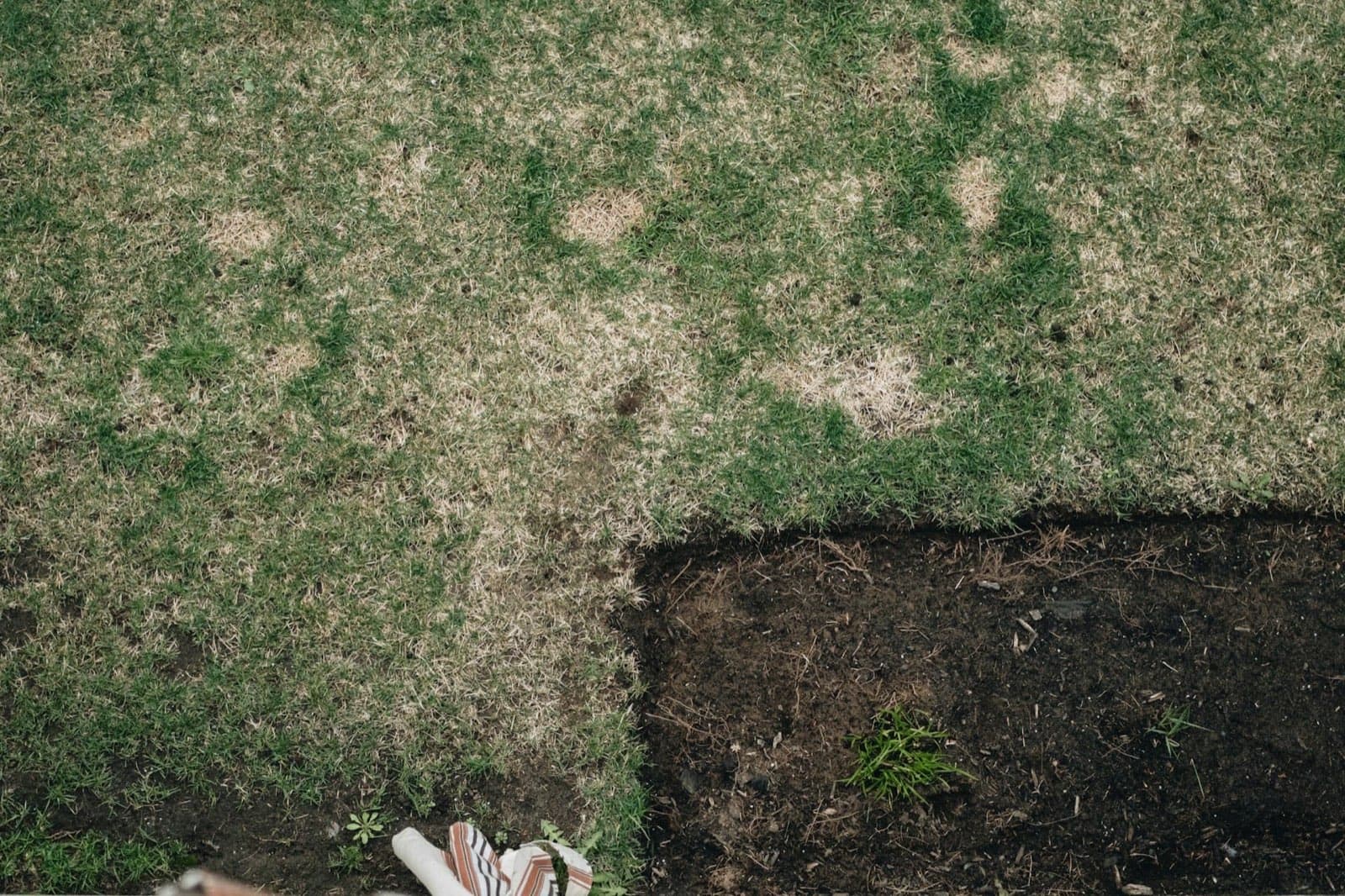
After the summer Essex has just had, most of the lawns I look at are thinner than their owners would like: browned-off patches, bare soil where the drought bit hardest, and turf that never properly thickened up. Overseeding is how you fix that. It is the cheapest, most effective renovation job in lawn care, and although the sowing itself waits until September, late July is exactly the right moment to start planning it.
The short answer
Overseed in early autumn, September to mid-October, when the soil is still warm from summer and the rain is returning. Cut the lawn short, scarify or rake hard so the seed lands on soil rather than sitting on thatch, sow at around 30g per square metre, and keep the seedbed moist for the first 3-4 weeks. Give the new grass its first cut when it reaches about 7-8cm, on the highest mower setting. Right now, in late July, the job is ordering seed and booking machinery so you are ready the moment the window opens.
Why overseeding transforms a thin lawn
A thin lawn does not thicken itself. The ryegrasses that make up most UK lawns grow in individual clumps rather than spreading sideways, so once a lawn goes patchy, it stays patchy. Every gap between grass plants is an open invitation, and nature fills open ground with whatever arrives first: moss in the damp months, weeds in the warm ones.
Overseeding works because it puts new grass plants into those gaps before anything else can claim them. The results compound:
- Density. More plants per square metre means a thicker sward that feels better underfoot and looks better from the house.
- Natural weed and moss suppression. A dense lawn shades out germinating weed seeds and leaves moss nowhere to establish. It is the most effective weed control there is, and it involves no chemicals at all.
- Better genetics. Seed breeding has moved on enormously. Overseeding introduces modern cultivars that are more drought-tolerant and disease-resistant than whatever your lawn was sown with twenty years ago. After a summer of heatwaves and hosepipe restrictions, that upgrade matters more than ever.
This is why overseeding is a standard part of any proper lawn renovation rather than an optional extra. Feeding and weed treatments improve the grass you have. Only seed adds grass you do not have.
The autumn window, and why you plan it in July
September to mid-October is the primary overseeding window in the UK, for the same reasons it is the best time to scarify:
- The soil is still warm from summer, above the 10C that grass seed needs for reliable germination.
- Moisture returns naturally. Autumn rain does most of the irrigation for you, which matters enormously in a year when watering has been restricted or rationed across much of Essex.
- 6-8 weeks of growing conditions remain before winter dormancy, which is enough for new grass to establish and toughen up before the first hard frosts.
- Weed competition is low. Sow in April and every weed seed in the soil germinates alongside your grass; in September the grass gets the ground largely to itself.
Early spring, late March to April, is the fallback window if you miss autumn, but it carries more risk: colder soil, weed competition, and less recovery time before summer stress arrives.
So why think about it in July? Because the autumn window is short and the whole country renovates at once. Good seed blends sell through in September, and hire shops book out their scarifiers for exactly the weekends you want. Order your seed now, book the machine for a mid-September weekend, and deal with any weed problems this month while they are still actively growing, several weeks clear of the renovation. Come September you simply start work while everyone else is ringing round the hire shops.
Step-by-step: how to overseed
Step 1: Cut the lawn short
Over the last two or three mows before sowing, drop the cutting height gradually to around 25mm. Short grass lets the seed fall through to the soil and, just as importantly, lets light reach the seedlings once they are up. Collect the clippings rather than mulching them for these cuts.
Step 2: Scarify or rake hard
This is the step that decides whether the whole job works. Seed sitting on thatch is wasted seed. It germinates, finds no soil to root into, and dies in the first dry week. The seed has to make contact with bare soil.
On a lawn with real thatch build-up, that means mechanical scarification: two passes at different angles with a proper scarifier. On a smaller or lighter lawn, a genuinely hard raking with a spring-tine rake (this style of rake) will do it, and I do mean hard. You should see bare soil between the grass plants when you finish, and the pile of dead material raked out should surprise you. If the lawn looks a bit battered at this point, you have done it properly.
Step 3: Choose the right seed
Ignore the picture on the box and match the blend to your conditions:
- Family lawns that take feet, dogs, and football want a hard-wearing ryegrass blend. It germinates fast and repairs itself well.
- Shaded areas under trees or along fences need a shade-tolerant blend built around fescues. Ordinary ryegrass sown into deep shade thins out again within a year.
- Drought-prone, free-draining, or south-facing lawns benefit from blends selected for drought tolerance, which after this summer is most lawns in Essex.
A quality lawn seed costs more per kilo than the bargain bins, and it is worth every penny: better germination rates, cleaner seed, and cultivars that were bred this decade.
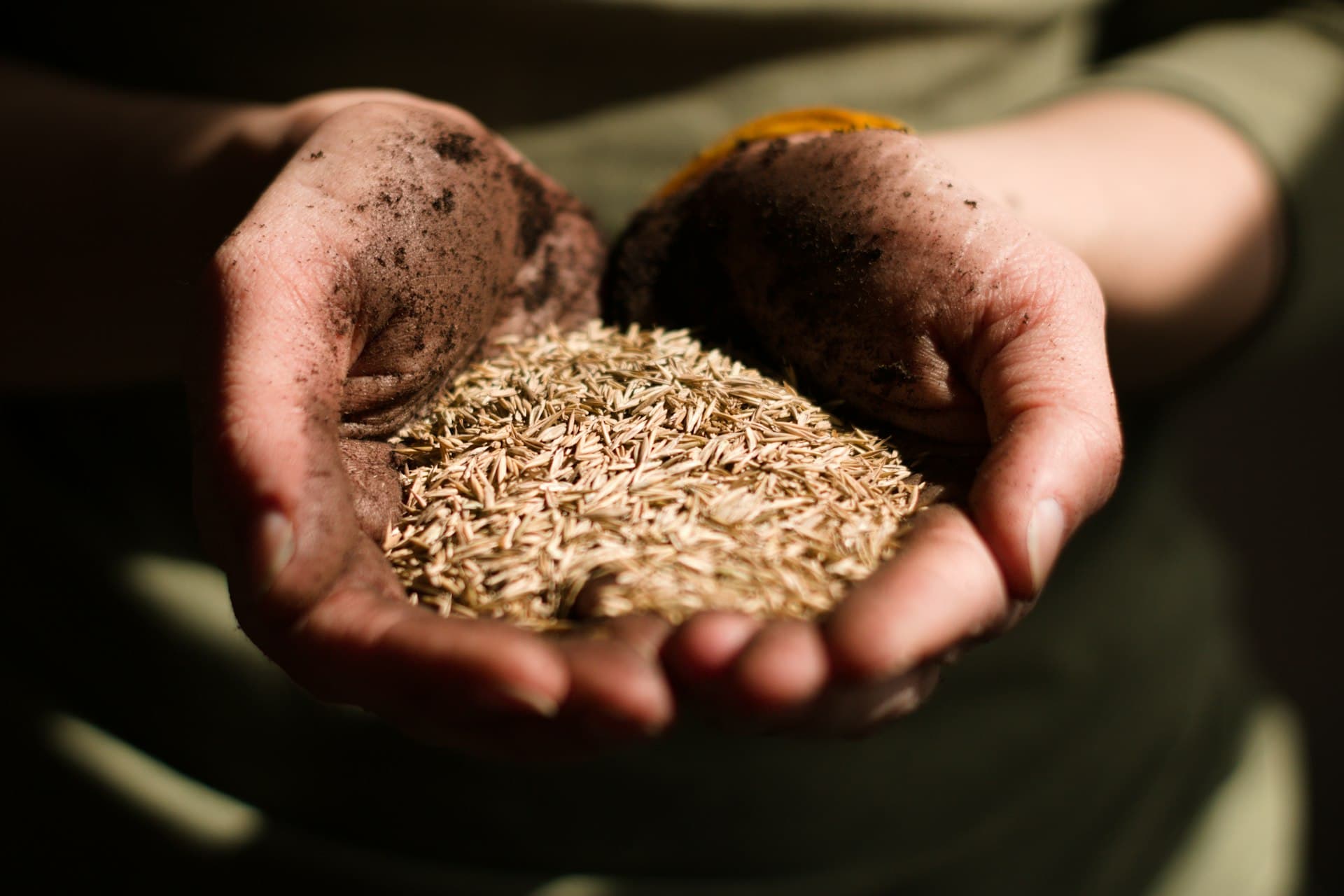
Step 4: Sow at around 30g per square metre
For overseeding into an existing lawn, around 30g per square metre onto the prepared ground is the rate to work to. Check the rate on your bag, as blends vary, and always calibrate on a small measured area first rather than trusting a dial setting.
By hand is fine for small lawns and patches: weigh out the seed for a measured area and scatter half walking one way, half walking crossways. For anything bigger, a broadcast spreader gives far more even coverage than hand-throwing ever will. After sowing, rake the seed in lightly so it sits in the surface rather than on it. Good seed-to-soil contact is everything.
Step 5: Keep it moist for 3-4 weeks
New seed plays by different watering rules from an established lawn. Instead of deep and infrequent, the seedbed needs to stay consistently moist from sowing until the new grass is established, roughly the first 3-4 weeks. That means a light watering with a fine spray every day it does not rain, in the morning and never in the evening, exactly as covered in our summer watering guide. In a typical September, rain does much of this for you, which is half the reason autumn is the window.
Germination takes 7-14 days in warm autumn soil. Keep feet, dogs, and mowers off the lawn throughout this period.
Not sure whether your lawn needs a light overseed or a full renovation? A free lawn survey will tell you exactly what it needs and when. Book a free lawn survey
The first cut and aftercare
Wait until the new grass reaches about 7-8cm before mowing. Then:
- Set the mower to its highest cutting height and make sure the blade is sharp. A blunt blade tears young seedlings out of the ground rather than cutting them.
- Cut on a dry day and remove no more than a third of the leaf.
- Lower the height gradually over the following month, one notch at a time, back towards your normal cut.
An autumn feed a few weeks after germination, low in nitrogen and higher in potassium, helps the new grass harden off for winter without forcing soft top growth. Beyond that, the young lawn mostly needs to be left alone: stay off it in frost, keep the leaves swept, and let it establish. By the following spring the overseeded areas are indistinguishable from the rest, except thicker.
How we handle overseeding at Greener
Overseeding at Greener is never done on its own. It always follows a proper two-pass scarification, because seed broadcast onto an unprepared lawn is money thrown on the ground. The full process is on our scarification and overseeding service page: moss treated in advance, thatch stripped out, waste cleared away, and seed matched to each lawn's conditions.
For customers on The Treatment Plan, a renovation is booked alongside the plan as a one-off, timed for spring or autumn. Every lawn benefits from one each year for the very best result. A year of feeding builds the strength of the grass you have; the renovation adds the density. Together they turn a thin lawn into a thick one and keep it that way.
I will be straight about the DIY route: on a small lawn with light thatch, a hard rake, good seed, and a diligent watering can will get you a genuinely decent result for the cost of a bag of seed. What a professional adds is the commercial scarifier, the seed specification, and the timing judgement, and on a tired or larger lawn those three things are the difference between a visible improvement and a transformation.
Order the seed now, book the machine, and put a September weekend in the diary. The lawns that look best next summer are the ones that were sown this autumn.
Want help with your lawn?
Book a free lawn survey and we'll take a look at your lawn. No obligation, honest advice.