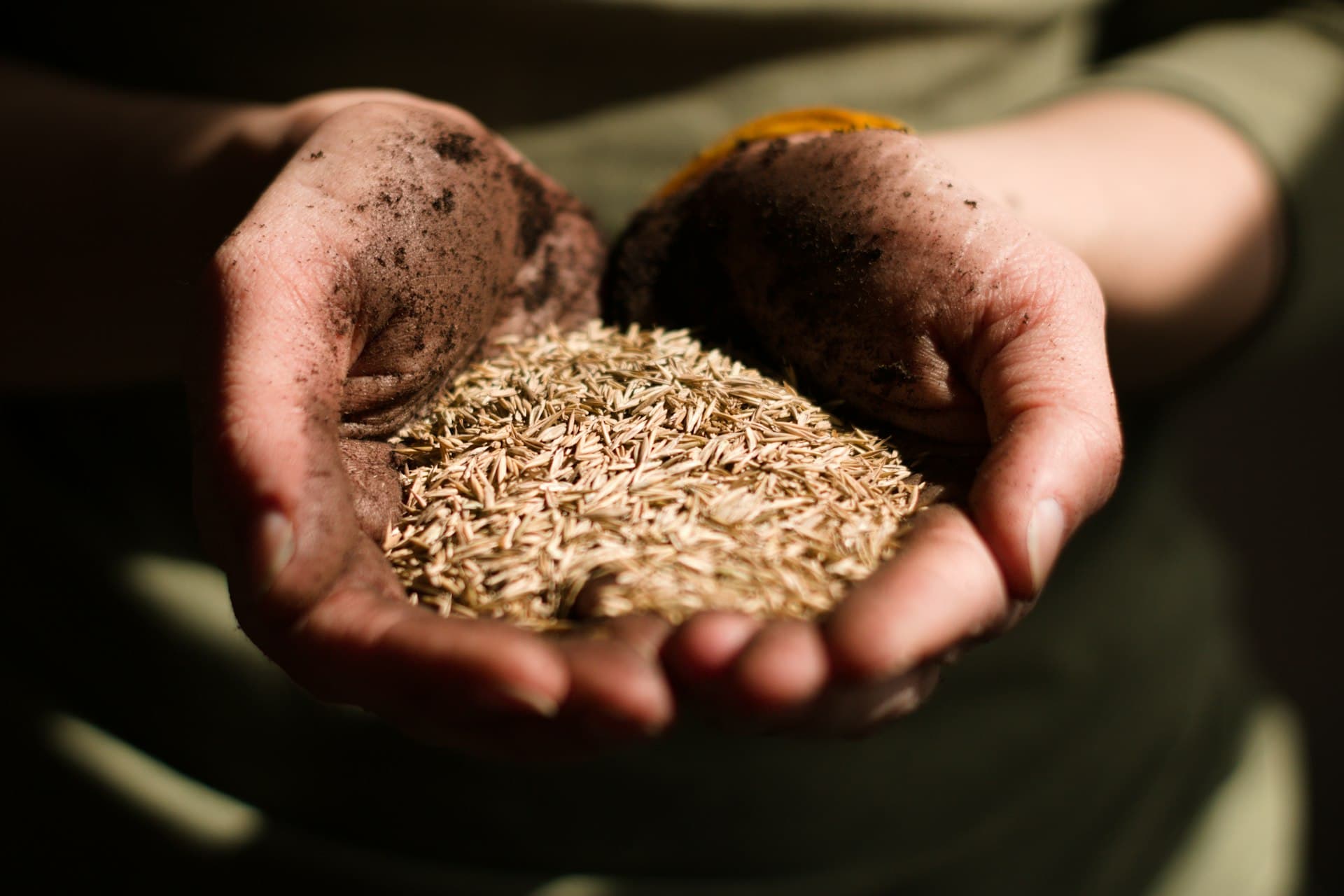
Scarification Before and After: What to Really Expect
By Greener Lawn Care - 30 July 2026 - 8 min read
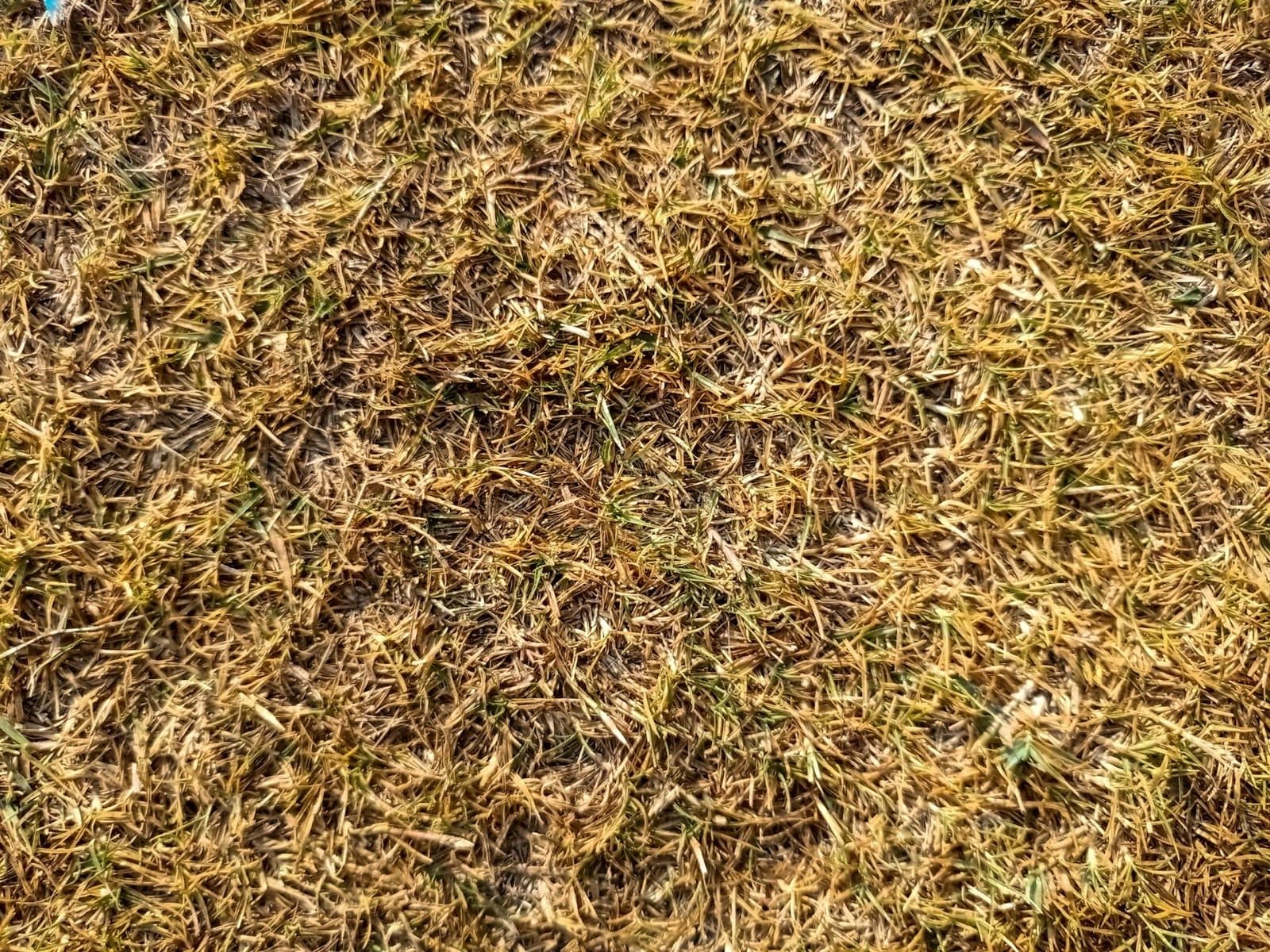
Type scarification before and after into a search engine and the results are jarring: lush green stripes on one side, what looks like a ploughed field on the other. Here is what most people misread. The frightening photo is not a job gone wrong, it is day one of a job done properly. I scarify lawns across Colchester every autumn, and the conversation on the day is always the same: reassuring the owner that yes, it is supposed to look like that.
The short answer
A freshly scarified lawn looks worse than it did before the machine arrived: thin, scratched, and bare in patches. That is the treatment working, not failing. With overseeding done on the same day, new grass shows within 7-14 days, the lawn fills back in over weeks three to six, and the real after photo arrives the following spring, once the new grass has had a winter to root. The right window is September to mid-October, with early spring as the fallback, and the full timing detail is in my scarification timing guide.
Day one: yes, it is supposed to look like that
Scarification is not raking. The machine uses vertical blades that cut down into the turf and pull out the thatch: the layer of dead grass, moss, and organic debris sitting between the living grass and the soil. I make at least two passes at different angles, and by the end the lawn is stripped back. Bare soil shows through, the surviving grass looks thin and shocked, and there are scratch lines running across the whole surface.
Nothing of value has been removed. The living grass plants are still rooted and still there. What has gone is the dead material that was smothering them, and the worse the lawn looks on day one, the more it was carrying. A lawn that looks barely touched after scarification either had very little thatch to begin with or the machine was set too shallow to do the job.
I tell every customer the same thing before I start: do not judge this on day three. Judge it in six weeks, then judge it again next spring.
The amount of thatch that comes out is genuinely shocking
Thatch builds slowly, a few millimetres a year, so nobody notices it accumulating. A layer under 10mm is normal and even useful. Beyond that it behaves like a sponge sitting on top of the soil: it soaks up rain and fertiliser before either reaches the roots, and it holds moisture at the surface, which is exactly where moss wants it.
The volume that comes out of an ordinary lawn surprises people every single time. A medium lawn that has not been scarified for several years produces several large garden waste bags at minimum. On the most neglected lawns I have done, the pile of removed material was bigger than anything the owner had put out in a whole season of mowing. All of that was sitting between the grass and its food supply.
That volume is also why the lawn looks so different afterwards. You have not lost grass. You have lost a false surface, and what is left underneath is the real lawn, reachable by water, air, and feed for the first time in years.
The recovery timeline, week by week
This timeline assumes scarification in the main September to mid-October window, with overseeding done on the same day. Spring scarification follows the same shape but recovers against stronger weed competition.
Weeks 1 to 2: The ugly phase
The lawn looks bare, scratched, and thin, and nothing appears to be happening. Under the surface, plenty is. In warm September soil, grass seed germinates in 7-14 days. Your job in this phase is simple: stay off the lawn as much as you can, and keep the seed moist. If there is no rain, a light watering with a fine spray in the morning is right, and never in the evening, because grass left wet overnight invites disease. New seed is the one exception to the deep-and-infrequent watering rule for established lawns: the surface needs to stay consistently damp until the seed is up.
Weeks 3 to 6: The fill-in
The new seedlings thicken from thin green threads into recognisable grass, and the established plants respond to the air, light, and moisture now reaching them by spreading sideways. Somewhere in this window the new grass reaches about 5cm and gets its first cut, light and on a high mower setting. By week six the lawn looks like a lawn again, and by weeks 6-8 it is visibly denser than it was before the scarifier arrived.
The following spring: The real after photo
Autumn recovery is only half the story. Over winter the new grass does little above ground, but the roots keep establishing. When soil temperatures lift in March and April, that young grass produces its first proper growth flush, and this is when the lawn genuinely outclasses its old self: thicker, more even, better coloured, with far less room for moss to move back in. If you would rather see this than take my word for it, the results page has real before and after photos from lawns I have renovated.
Want your lawn on this autumn's renovation list? A free summer survey secures a September slot. Book a free lawn survey
Scarification without overseeding is a job half done
Scarification opens up bare soil, and bare soil never stays bare in an Essex garden. Leave those gaps empty and moss and weeds will fill them for you, and by the following spring you can have more moss than you started with. This is how scarification gets an unfair reputation for making lawns worse. The machine did its job. The follow-up never happened.
Overseeding on the same day closes that door. The grooves the scarifier leaves behind are a near-perfect seedbed: fresh soil contact, light cover, warmth, and moisture. The seed should match the lawn's conditions too, with shade-tolerant blends under trees, hard-wearing mixes for family lawns, and drought-tolerant varieties for open lawns that bake in summers like this one. The pairing is the whole treatment, which is why I only offer the two together as a single scarification and overseeding service, never scarification on its own.
Electric scarifiers vs professional machines: an honest comparison
An electric scarifier is genuinely fine for the right job. If your lawn is small, gets a light scarify every autumn, and the thatch never builds past a few millimetres, an electric scarifier will keep it that way for less than the cost of a single professional visit. Used annually as maintenance, it is a sensible buy, and I would far rather people did that than nothing at all.
Where it falls short is the lawn this article is really about: years of accumulated thatch. Consumer electric machines are light, and weight matters, because the blades have to stay down in the turf while meeting resistance. On a dense thatch layer, a light machine rides up and skims the surface, so you get the day-one mess without the benefit. The working width is narrow, the collection box fills every few metres, and the motor is at its limit in heavy material.
A lawn with serious build-up needs a heavier, petrol-driven machine: either a hired one for a committed DIY weekend, or a professional with a commercial rotary scarifier. The commercial machine cuts deeper and more consistently, and the judgement matters as much as the metal. Set the depth too shallow and you waste the day. Set it too deep and you rip out healthy grass along with the thatch. That judgement comes from scarifying lawns every week, not from the manual. Factor in the waste too: a full scarification on a medium lawn leaves a small mountain of debris that has to go somewhere.
How we handle scarification at Greener
My autumn renovation list runs September to mid-October, and it gets planned in late summer, which is why I am writing this in July. Every renovation follows the same pattern: moss treated two to three weeks ahead where it needs it, at least two passes with a commercial rotary scarifier, all the waste bagged and cleared from your lawn, then overseeding on the same visit with a seed mix matched to your lawn's conditions.
For customers on The Treatment Plan, a renovation is booked alongside the plan as a one-off, timed for spring or autumn. Every lawn benefits from one each year for the very best result. Annual scarification is the quiet trick behind the whole thing: the thatch never gets the chance to build to the point where day one looks dramatic. The shocking before and after photos come from lawns doing ten years of catch-up in one afternoon. Do it every year and it stops being surgery and becomes routine maintenance.
The photo to fear is not the one taken on scarification day. It is the one taken in year ten of never scarifying at all.
Want help with your lawn?
Book a free lawn survey and we'll take a look at your lawn. No obligation, honest advice.