How to Get Rid of Weeds in Your Lawn Without Killing the Grass
By Greener Lawn Care - 28 July 2026 - 8 min read
Walk down any street in Colchester this month and you will see straw-brown lawns with dandelions and clover somehow still looking pleased with themselves. That resilience is why weeds are so frustrating, and why the wrong response, a whole-lawn dose of the wrong product, does more damage than the weeds ever did. Getting rid of them without killing the grass comes down to the right product, the right dose in the right place, and the right timing.
The short answer
For a handful of weeds, pull them by hand, root and all. For anything that has spread too far to pull, use a selective lawn weedkiller, which kills broadleaf weeds while leaving grass unharmed, applied as a spot treatment to the weeds themselves, not a blanket spray over the whole lawn. Treat only while weeds are actively growing, spring to early autumn, and not mid-drought like right now. Long term, the real fix is a thick, well-fed lawn that never gives weeds room to start.
First, know your weeds
Weeds are not random. Each one moves in when conditions suit it, so the weeds in your lawn are a free soil report if you know how to read them:
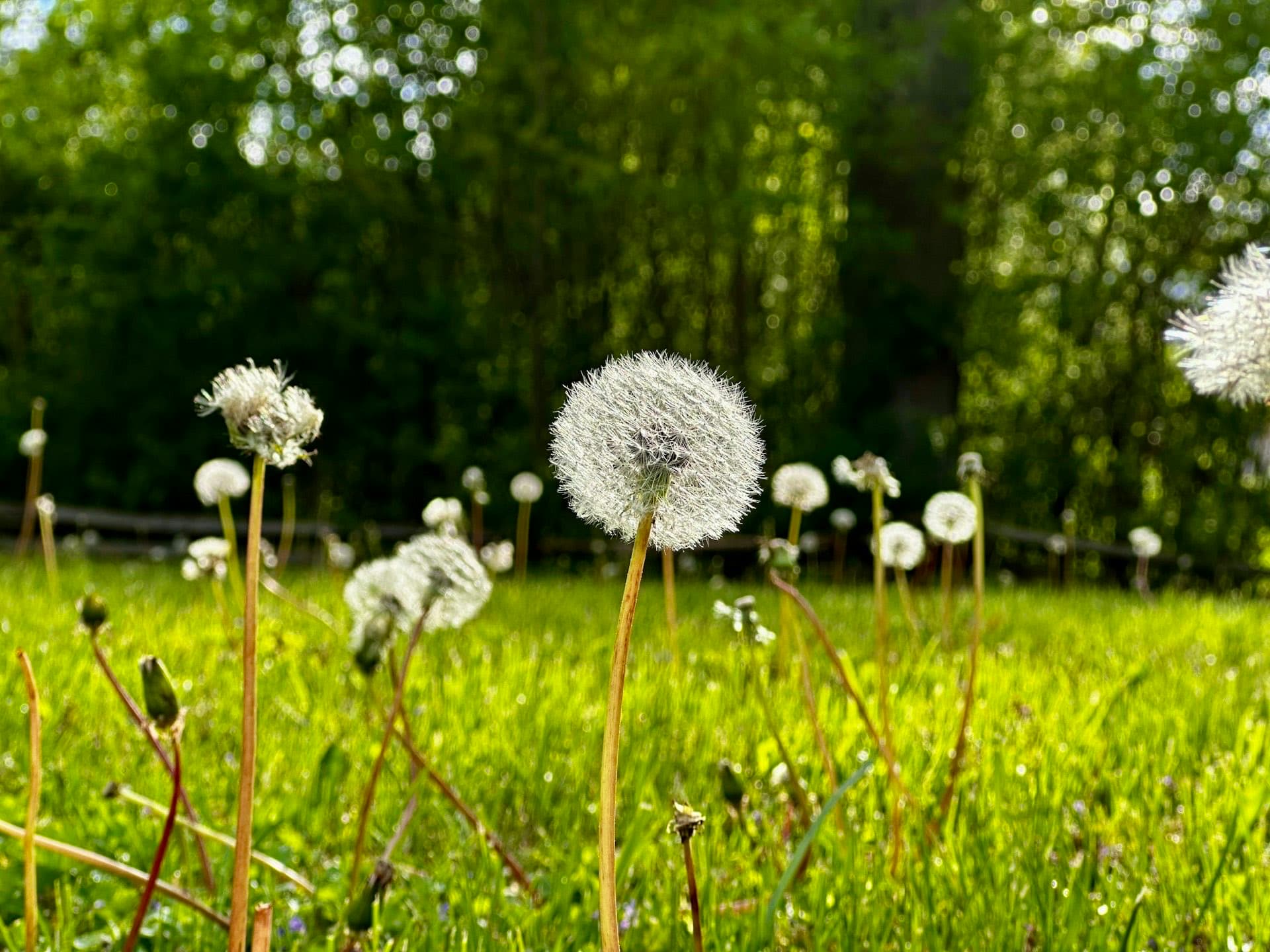
- Dandelions are pure opportunists. Wind-blown seed lands in any gap in the turf, and a deep tap root makes them hard to shift. A few mean nothing. Lots of them mean the turf is thin and open.
- White clover thrives where nitrogen is low, because it makes its own. A lawn slowly filling with clover is a hungry lawn that has not been fed properly.
- Daisies creep in where the grass is weak and mown too short. Their flat rosettes sit below the mower blades, so cutting even shorter to get rid of them actually helps them.
- Broad-leaved plantain loves compacted ground. You will find it along walkways, around washing lines, and anywhere else that gets regular foot traffic.
- Lesser trefoil, the small yellow-flowered one often mistaken for clover, is another low-fertility specialist. It romps through dry, underfed lawns in exactly this kind of summer.
Underfed, mown short, compacted, thin: notice the theme. Weeds are usually the symptom. A struggling lawn is the cause.
Why the product type matters
Weedkillers come in two fundamentally different types, and mixing them up is the fastest way to kill a lawn.
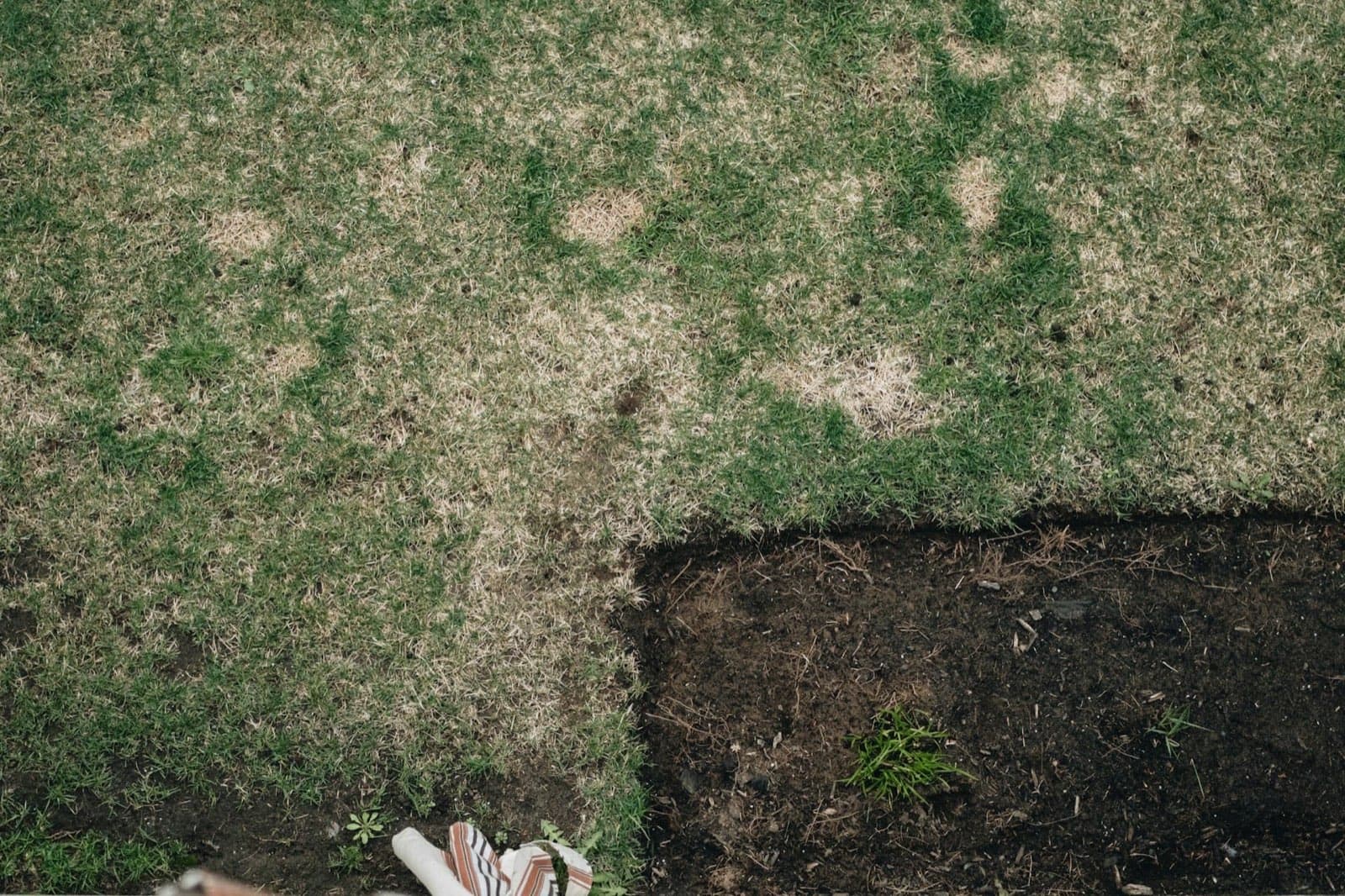
Non-selective weedkillers, the kind sold for paths, patios and driveways, kill every green plant they touch. Grass included. I regularly see lawns with dead, straw-coloured circles where someone dabbed the patio weedkiller onto a dandelion. Each circle takes far longer to repair than the dandelion ever would have.
Selective lawn weedkillers are absorbed through the leaves and disrupt the growth of broadleaf plants, while grasses can tolerate them. Applied correctly, the dandelion dies and the grass around it barely notices. Products sold specifically as lawn weedkillers are selective. Anything sold for paths and drives is not, and it should never go near the grass.
Hand-pulling or spraying: when each wins
When hand-pulling wins
If you can count the weeds on your lawn, pull them. It is free, it works at any time of year, no chemicals are involved, and the weed is gone the moment you stand up. Three rules make it stick:
- Get the whole root. Dandelions and plantains regrow from any decent chunk of tap root left behind, so lever them out rather than snapping the top off. A stand-up weed puller like this one grips the root and pulls the whole plant without kneeling or digging.
- Pull when the soil is damp. After rain or a deep watering, the roots slide out. From baked-dry clay they snap, and the root left behind grows back.
- Fill the hole. Firm the soil back down and drop a pinch of grass seed in, otherwise the bare spot is a landing pad for the next weed seed. In this dry spell, hold the seed back until rain returns.
When a selective weedkiller wins
Hand-pulling loses on two fronts: creeping weeds and sheer numbers. Clover and trefoil spread as mats of runners, so there is no single root to pull, and once daisies or dandelions run into the dozens, pulling becomes a losing battle. That is when a selective lawn weedkiller earns its place:
- Apply to actively growing weeds, spring to early autumn.
- Do not mow for a few days before or after treating. The weed needs leaf area to absorb the product.
- Expect clover and trefoil to need a second application a few weeks after the first. One hit rarely finishes them.
- Follow the label on rates, and keep children and pets off the treated area until it has fully dried.
Spot treat, never blanket spray
Here is the mistake I see most often: a lawn with fifteen weeds on it gets all 200 square metres sprayed. That is far more herbicide than the job needs, applied mostly to grass that gains nothing from it.
Spot treatment means treating the weed, not the lawn. A ready-to-use trigger spray or a targeted squirt from a pressure sprayer, plant by plant. It uses a fraction of the product, costs less, and avoids stressing grass that is already having a hard summer, and the end result is identical, because the weedkiller only ever acts on the weeds anyway.
Blanket spraying has a place: a lawn where clover or daisies have genuinely taken over large areas. On a typical garden lawn with scattered weeds it is overkill, and it is what the national franchises tend to default to because it is quick. Walking the lawn and treating individual weeds takes longer. It is also the right way to do it.
Not sure whether your weeds need pulling, spot treating, or something more structural? A free lawn survey will tell you exactly what is growing and why. Book a free lawn survey
Timing: weeds only die when they are growing
Selective weedkillers work by being absorbed through the leaves and moved around inside the plant. That only happens while the weed is actively growing, which in the UK means spring to early autumn. Treat in late autumn or winter and the product sits on a dormant plant and does nothing.
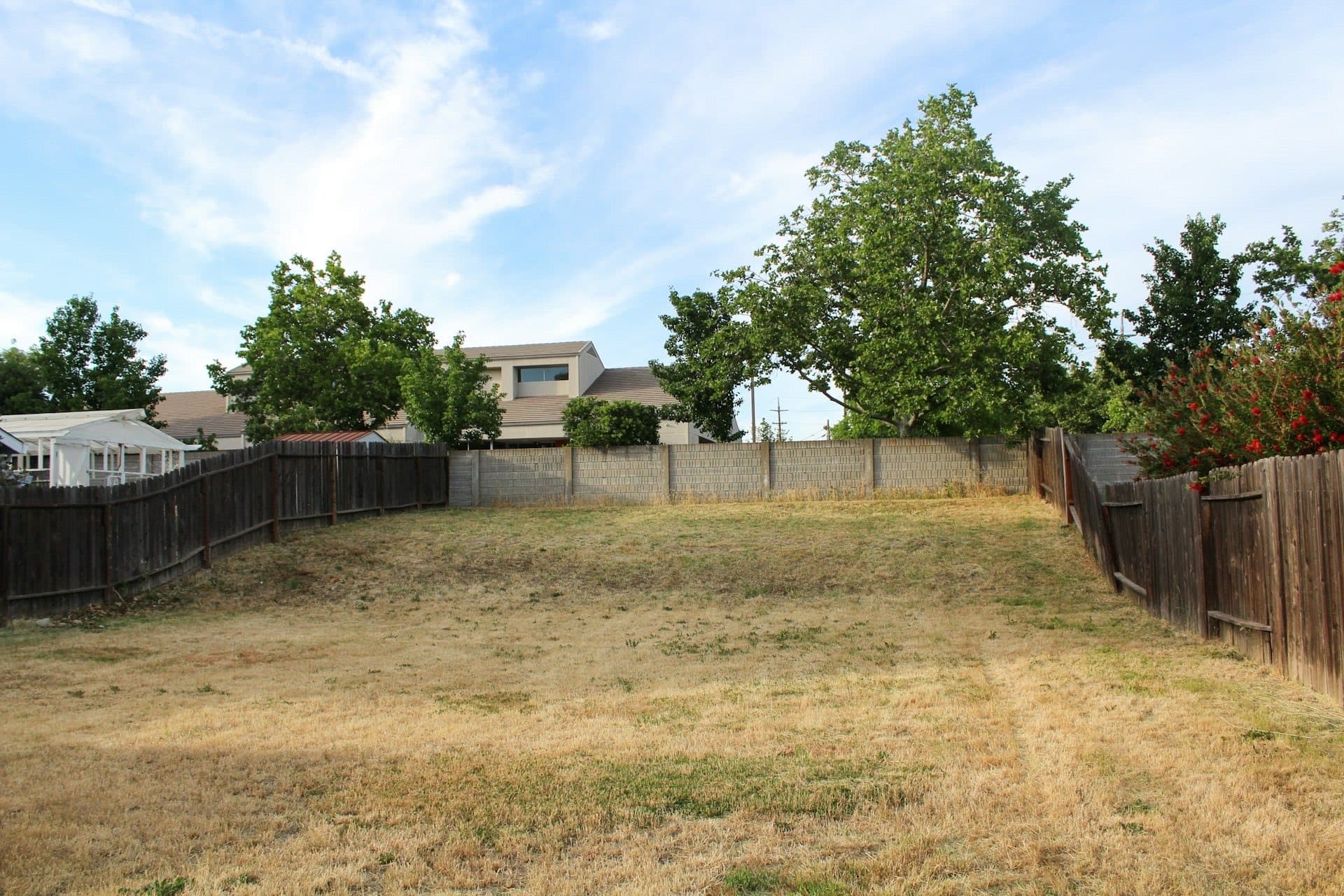
There is a summer catch too, and it applies right now. In a drought like this July, the weeds shut down along with the grass. A drought-stressed dandelion with limp, leathery leaves barely absorbs anything, so spraying it wastes product and piles stress onto a struggling lawn. If your lawn is brown and the weeds look tired, wait. Let the rain return, let the lawn green up, give the weeds a week or two of proper growth, then treat. In the meantime, hand-pulling still does the job, and it is the only weed control I am doing on the lawns I treat this month.
For everything else your lawn needs through a summer like this one, see our summer lawn care guide. And if your lawn has already browned off completely, start with brown lawn after a heatwave before worrying about weeds.
The long game: a thick lawn is the best weed control
Every weed on the list above needs the same two things to establish: light hitting the soil, and space to grow into. A dense, healthy lawn provides neither. Weed seeds land on it constantly, and nearly all of them fail because there is no gap to germinate in.
So the lasting fix for a weedy lawn is rarely more weedkiller. It is:
- Feed it. A fed lawn grows thick, and thick turf shades out weed seedlings before they start. Regular feeding also directly starves out clover and trefoil, which only win when nitrogen is low.
- Mow higher. 35mm or more. Longer grass shades the soil surface and out-competes rosette weeds like daisies and plantains.
- Overseed thin areas. Every bare patch is an invitation. Fill the gaps with grass before something else fills them for you.
- Relieve compaction. Aeration opens up the compacted ground plantains love and helps the grass root deeper.
Do these consistently and weed control shrinks to minutes per visit: a few pulled dandelions, the occasional dab of spot treatment, and that is the year covered.
How we handle weeds at Greener
I do not blanket spray lawns. Minimal weed killer, spot-treated rather than sprayed wall to wall, is a core part of how Greener works. On every treatment visit I walk the lawn and deal with the weeds that are actually there: tap-rooted weeds levered out or spot treated, clover patches targeted while growing strongly, and nothing applied at all if nothing needs it. In a month like this one, that means mostly pulling and very little spraying.
Weed control is built into The Treatment Plan rather than sold as a bolt-on, because it works best as part of the bigger picture: the feeding programme thickens the turf, a renovation booked alongside the plan closes the gaps, and the weeds steadily run out of places to live. Most plan lawns need less weed treatment in their second year than their first, and less again after that. That is the point.
Weeds are a symptom before they are a problem. Pull the few, spot treat the many, wait for real growth before you spray anything, and put the serious effort into the grass itself.
Want help with your lawn?
Book a free lawn survey and we'll take a look at your lawn. No obligation, honest advice.